The 20-yard sits in the middle of the roll-off range and is the size most renovators in New York reach for when a 10-yard runs out of room but a 30-yard is more steel than the job or the street can hold. Heavy Duty…
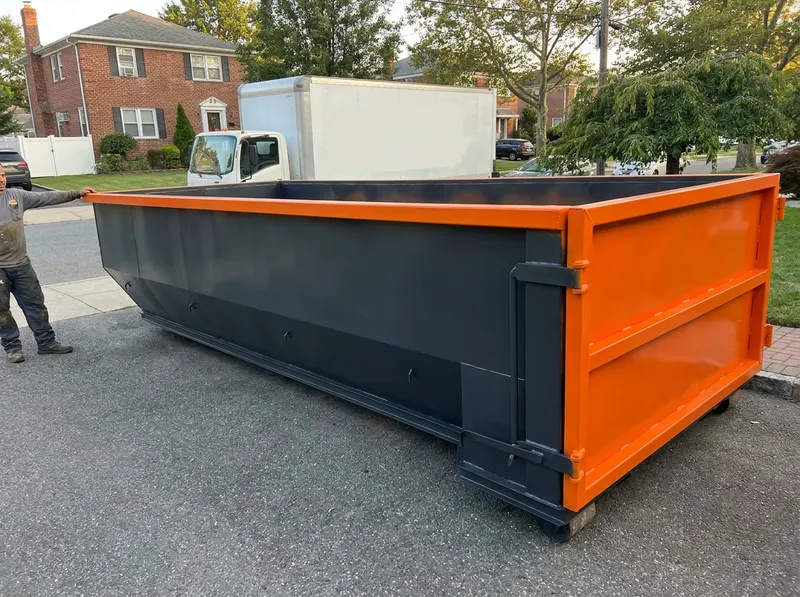
The 20-yard sits in the middle of the roll-off range and is the size most renovators in New York reach for when a 10-yard runs out of room but a 30-yard is more steel than the job or the street can hold. Heavy Duty Dumpster Rental lists five sizes with flat pricing: the 10-yard at $595, the 15-yard at $650, the 20-yard at $695, the 30-yard at $795, and the 40-yard at $895. Each number is all-in, the quoted price already includes the haul to a licensed transfer station, so there is no weight-based surcharge waiting on pickup day.
A dumpster rental is not junk removal: the container is dropped, you or your crew load it, and it is hauled when full or when the rental period ends.
Step 1, decide where it lands. On a Manhattan driveway or private lot in Washington Heights or Inwood the 20-yard drops with no city paperwork. Step 2, if it must sit on the street, common on the narrow blocks of the East Village, the Lower East Side, or Hell's Kitchen, a NYC DOT street-use setup applies, and placing a container in the roadway typically requires a permit; our team can walk you through what the block needs.
Step 3, we confirm the drop window. Step 4, you load. Step 5, call for pickup or a swap.
For projects running past a standard period, extra days are arranged before the container goes out.
Choosing the size is a trade-off between footprint and volume. A 20-yard fits a two-to-three-room remodel, a roof tear-off on a Harlem brownstone, or a basement-and-garage clearout in a Upper West Side building, roughly 8 pickup loads. If the work is a single bathroom or one-room cleanout, the 10-yard at $595 is the honest pick and spares curb space on a tight Tribeca block.
If a full gut or a heavy demolition is coming, the 30-yard at $795 holds about 12 pickup loads and cuts down on return trips. The limiting factor in Manhattan is rarely the debris, it is whether a 22-foot container fits where you can legally put it, which matters most near Central Park, Chelsea's gallery district, and the dense Upper East Side side streets.
Weight is the thing that surprises people on heavy loads. The EPA's construction-and-demolition materials guidance notes that debris like concrete, brick, dirt, and plaster is far denser than mixed household junk, a 20-yard can legally fill well before it looks full when it is packed with masonry.
For those loads a smaller box run twice, or a 10-yard dedicated to clean fill, often works better. Separating recyclable metal and clean wood follows standard material-recovery practice, and keeping banned items out matters: household hazardous waste such as paint, solvents, and batteries cannot go in a roll-off, and tires and appliances with refrigerant are handled separately under EPA refrigerant rules. Jobsite loading around an open container should follow OSHA construction standards for debris handling.
New York State's own diversion goals are laid out by the NYSDEC recycling program, the city's residential rules by the Department of Sanitation, and figures on national roll-off volumes appear in the EPA's materials and waste facts. Contractors verifying a licensed transfer-station destination can check the Solid Waste Association of North America for industry standards and construction-and-demolition recycling resources for diversion options.
Every job gets a firm, written price after an on-site visit.
Tell us about your 20-yard dumpster rental job in New York and we'll send a clear, written quote, usually the same day.
 Heavy Duty Dumpster Rental