A residential cleanout is a self-load job: Heavy Duty Dumpster Rental drops the container, you fill it on your schedule, and we haul it. That is different from construction and demolition debris or a junk-removal crew…
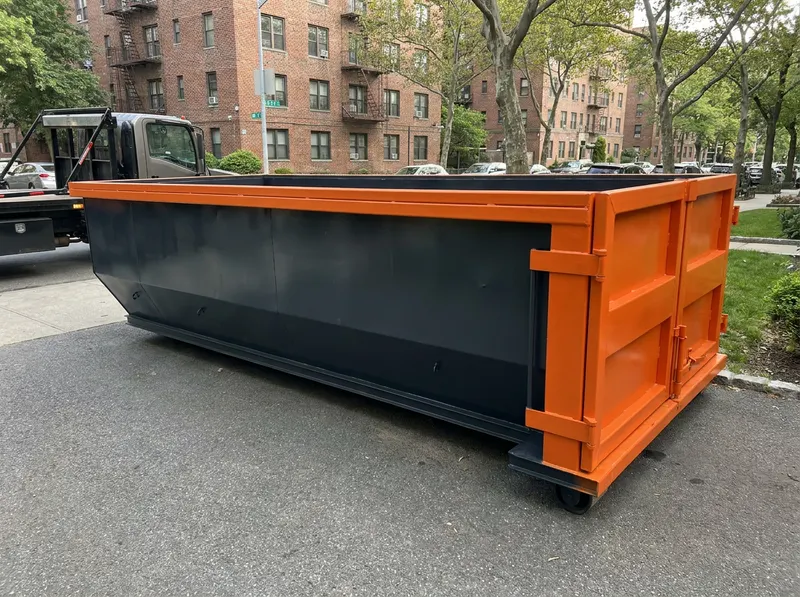
A residential cleanout is a self-load job: Heavy Duty Dumpster Rental drops the container, you fill it on your schedule, and we haul it. That is different from construction and demolition debris or a junk-removal crew that loads for you - a cleanout dumpster sits in place for the length of the rental so a one-bedroom clear-out, an estate clearing, or a hoarding recovery can run over several days.
Step 1, name the rooms. A single-room purge or a studio clear-out fits a 10-yard, which holds roughly four pickup-truck loads.
Step 2, size up. A full apartment or a brownstone floor usually calls for a 15-yard or 20-yard; a whole-house estate cleanout with heavy furniture and old carpet lands at a 30-yard or 40-yard. Step 3, pick the drop.
On a driveway in Inwood or Washington Heights the container sits on private property with no permit. On a Harlem, Upper West Side, or Chelsea block without off-street space, a curb placement on a New York City street needs a sidewalk or roadway permit - the NYC Department of Transportation governs that curb use, and our team places the box to keep the sidewalk clear per the city's rules. Step 4, load it - keep weight spread evenly and the lid area clear.
Step 5, call for pickup when it's full.
If-then: if you are clearing one room on the Upper East Side, choose the 10-yard and save the driveway or curb footprint; if you are gutting a full Tribeca loft or an estate in Hell's Kitchen, the 30-yard or 40-yard means one container instead of two swaps. The trade-off is simple - a smaller box costs less and takes less street space, but a cleanout that overflows a 10-yard forces a second haul that costs more than the right size up front. Mattresses, box springs, and upholstered furniture bulk out fast, so a cleanout heavy on soft goods often needs a size larger than the cubic math suggests.
Certain items stay out of a residential cleanout dumpster.
Paint, solvents, batteries, and electronics are household hazardous waste and go to a city drop-off site, not the box. New York runs a curbside electronics recycling program for TVs and computers, and donatable furniture and clothing can be routed through local reuse and recycling options before anything hits the container. Refrigerant appliances need the Freon removed first.
For heavier estate clears, the OSHA jobsite safety guidance on lifting and clear walkways applies even in a private home. Mixed loads of wood and metal are often separated for recycling under construction and demolition recycling standards, and anything with mold or water damage should be bagged before loading per mold cleanup guidance. Compost-eligible yard trimmings from a backyard clear are handled separately under the city's organics collection program, and donation value can be checked against charitable donation rules.
Every job gets a firm, written price after an on-site visit.
Tell us about your residential cleanout dumpsters job in New York and we'll send a clear, written quote, usually the same day.
 Heavy Duty Dumpster Rental